
Mapping Memories Cambodia (MMC) is a mobile app and website that tells place-based stories from the Khmer Rouge era. The website marks significant places from that time on the Cambodian map, and guides users to where historical events happened. Users can read and listen to stories told by survivors, experts, and historians in a multimedia format. All stories are written and produced by the youth who are interested and were factually verified by the Bophana Audiovisual Resource Center.
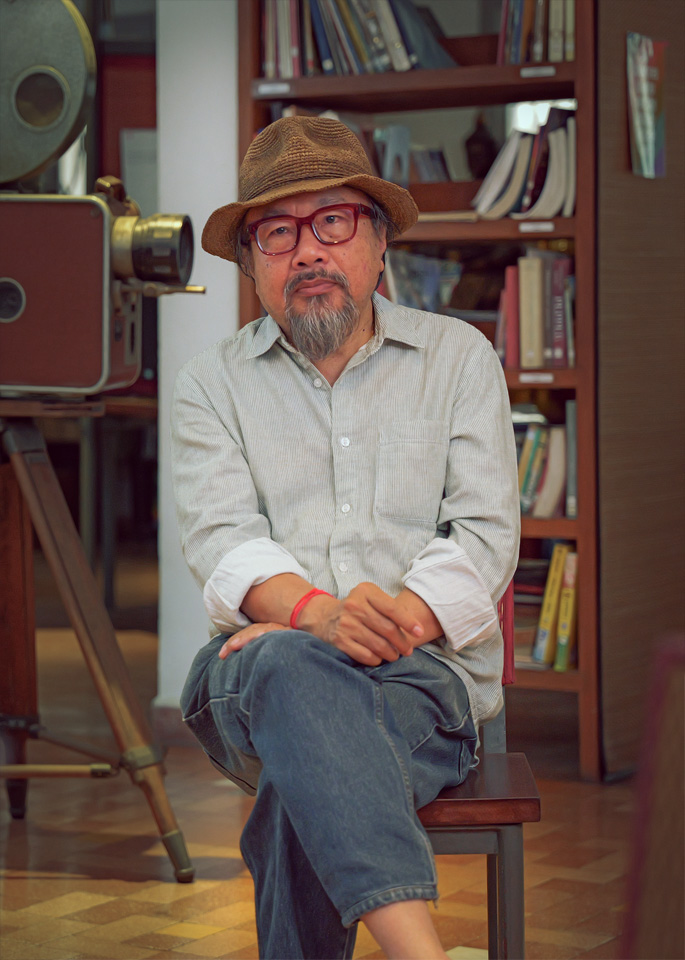
Rithy Panh Founder, Bophana Audiovisual Resource Center
“When we remember, we resist the erasure of truth.”
Memory is a fragile thing—yet it is the foundation of our humanity. When we remember, we reclaim dignity. When we share memory, we begin to heal together.
Through my films such as S-21: The Khmer Rouge Killing Machine, Duch, Master of the Forges of Hell, The Missing Picture, and Exile, I have sought to give form to what was silenced—to return names, faces, and humanity to those made invisible.
“Every act of remembering is also an act of creation.”
Mapping Memories Cambodia (MMC) continues this same work in a new form. It brings memory to the map, to the screen, to the fingertips of a new generation. Technology, when guided by conscience, becomes a bridge—connecting past and present, elders and youth.
Through MMC, young Cambodians can walk across their country and discover stories written in the land—listening to survivors, learning from witnesses, and understanding that history lives not only in books but in people and places.
For those who endured the Khmer Rouge years, MMC offers recognition. For those born after, it opens dialogue. Together, they form a living archive—an invitation to remember, reflect, and rebuild.
“To preserve memory is to imagine a more humane future.”
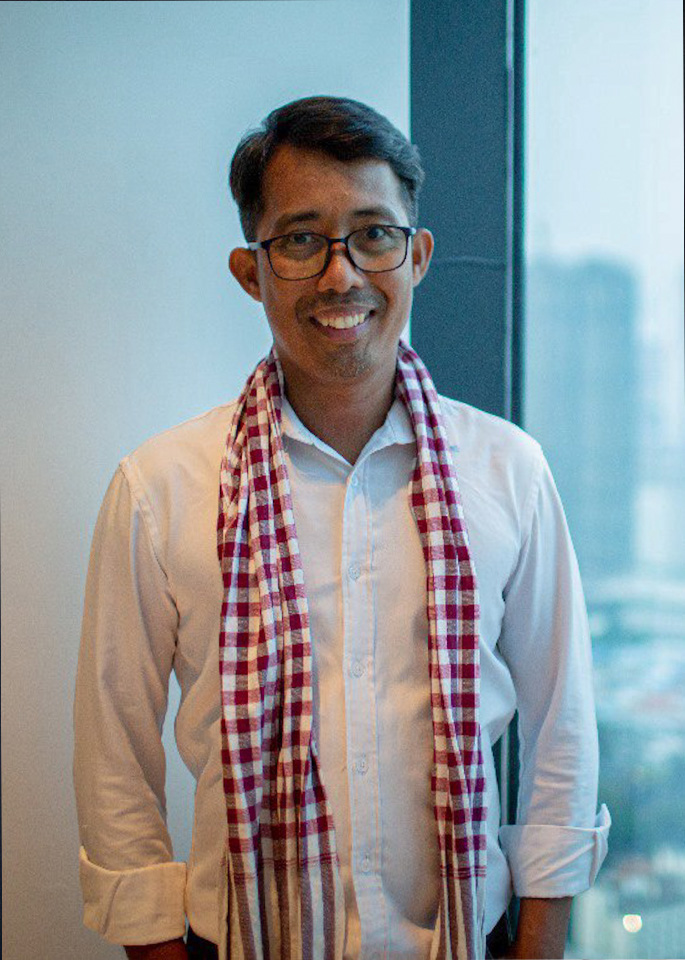
Sopheap Chea Executive Director, Bophana Audiovisual Resource Center
Executive Director, Bophana Audiovisual Resource Center
Mapping Memories Cambodia is more than a digital platform—it is a bridge between the past and the present, between memory and learning. By mapping sites across the country linked to the Khmer Rouge period, MMC helps Cambodians of all generations rediscover and reflect upon their shared history through stories rooted in real places and real lives.
At the Bophana Center, our mission has always been to preserve, restore, and transmit Cambodia’s audiovisual heritage. Through initiatives like MMC and the App-learning on Khmer Rouge History, we extend this mission into the digital age—making history accessible, verifiable, and engaging for everyone, especially young people who did not live through that time.
In an era of rapid change, remembering where we come from is essential to understanding who we are and how we move forward. MMC invites every visitor to explore Cambodia’s history not only through archives, but through the living memories that continue to shape our collective identity.
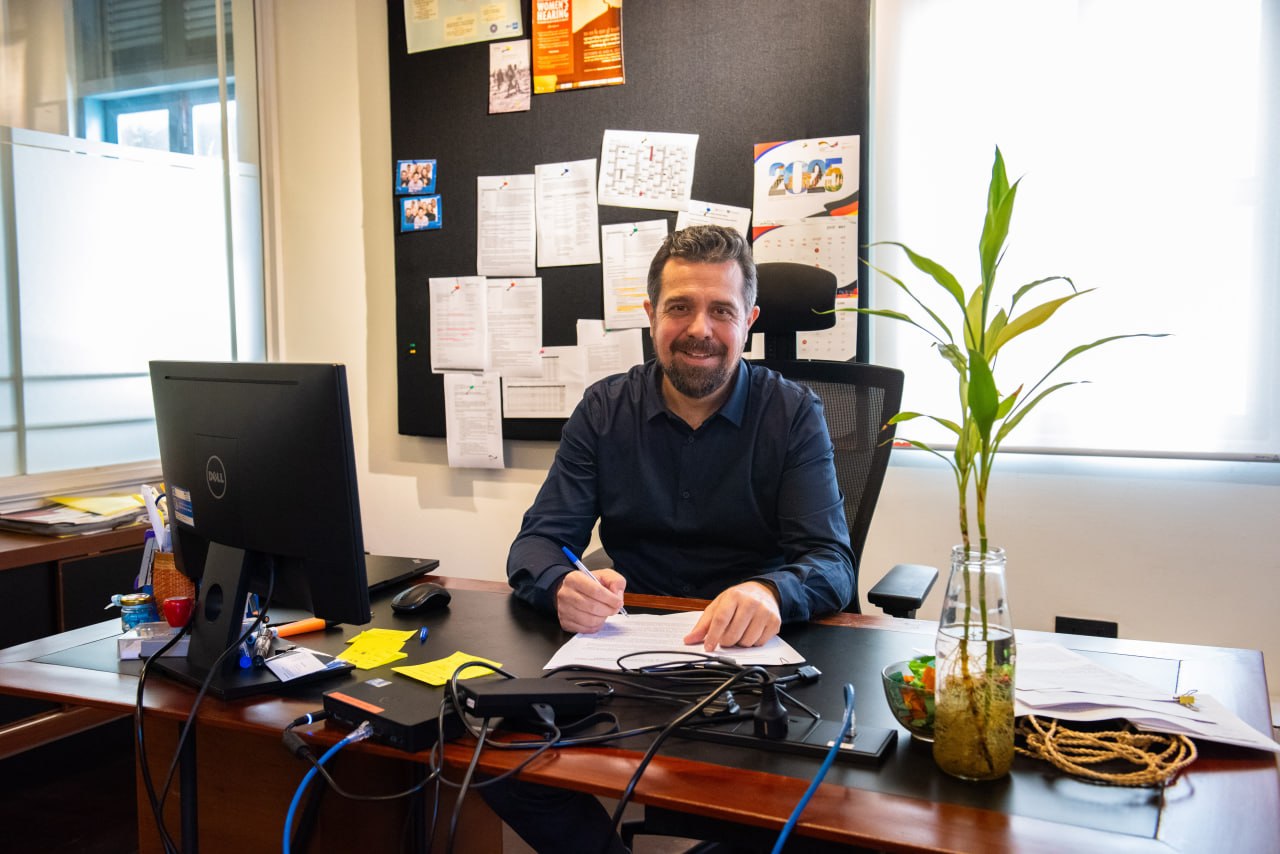
Manuel Erbenich Cluster People and Public Services, Civil Peace Service Cambodia, Program Coordinator
Cluster People and Public Services
Civil Peace Service Cambodia
Program Coordinator
Remembrance is essential to prevent history from repeating itself. Confronting a violent past is not only an act of justice for victims and survivors, but also a responsibility toward future generations. Germany has earned international respect for its efforts to critically engage with its own historical legacy and culture of remembrance. Our own history has shown that honest reflection, open dialogue, and historical education can help lay the foundation for reconciliation, democratic resilience, and lasting peace.
The Civil Peace Service (CPS) highly values the partnership with Bophana Audiovisual Resource Center in creating spaces where difficult histories can be preserved, discussed, and carried forward across generations with dignity and sensitivity. Mapping Memories Cambodia reflects this shared commitment: ensuring that personal stories, memories, and voices are not lost, but instead contribute to a deeper understanding of the past and of preventing violence, exclusion, and dehumanization in the future.
At the same time, peacebuilding is never a one-way process. There are many different paths and approaches to building and sustaining peace, and both countries can learn a great deal from one another. Cambodia’s experiences, resilience, and ways of engaging with memory and reconciliation also offer important lessons for Germany and the international community. In this spirit, remembrance becomes not only a reflection on the past, but a shared responsibility for shaping a more peaceful future.